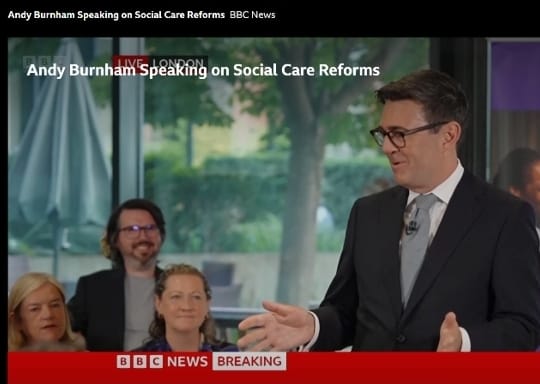
The future of adult social care matters to all of us, which is why it’s so important that we all get to join a conversation about the future we want. We welcome the Prime Minister’s deeply personal commitment to growing an approach to social care fit for the future and the launch of the Casey Commission’s ‘Big Conversation’, which we hope will help build wider recognition about the importance of adult social care to everyone and consensus about how it should be designed, run and funded in the years to come.
At its best, adult social care strengthens our capacity to live our life in the place we call home when illness, disability or age mean we need some extra support to do so. It supports us to care for our families, to work and to live well. Adult social care is also one of the country’s largest sources of employment, with a workforce larger than the NHS.
Too often today though support too often arrives only after manageable difficulties have become crises, if at all, leaving people and families to struggle alone and placing growing pressure on the NHS and other public services. Without changing how we respond when people need support, many more of us in future will face losing control over our lives and our connection with the people, places and everyday things that make life worth living.
#SocialCareFuture believes that needing help should never mean losing the ordinary freedoms of life. Just as previous generations chose to pool more of our shared resources to create the NHS and ensure illness would never prevent people receiving healthcare, our generation should choose to commit more of our collective resources to ensuring that illness, disability or age never needlessly prevent us from pursuing or continuing to live the lives we value.
That means making a long-term national investment in adult social care, funded fairly through progressive national taxation rather than local postcode lotteries, with everyone contributing according to their means. The investment should be transparent, phased over time and focused on what matters most: helping us earlier, protecting families from crisis and catastrophic costs, supporting those who provide care and assistance, strengthening communities and giving everyone genuine choice and control over the support we receive.
This is not simply a commitment to spend more on services. It is a commitment to invest more of our shared wealth in the conditions that enable us to remain connected, in control and able to contribute throughout our lives. After all, don’t we all want to live in the place we call home, with the people and things we love, feeling connected and valued, while doing the things that matter to us?

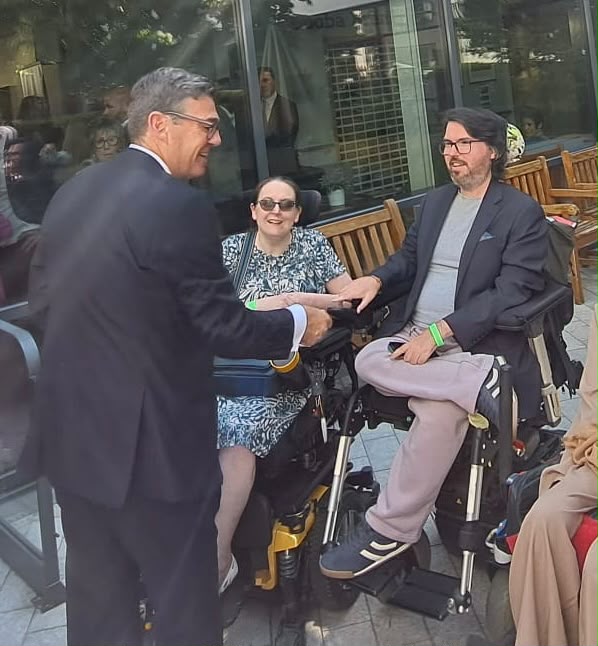
#SocialCareFuture convener Dr Anna Severwright, who attended the speech, said:
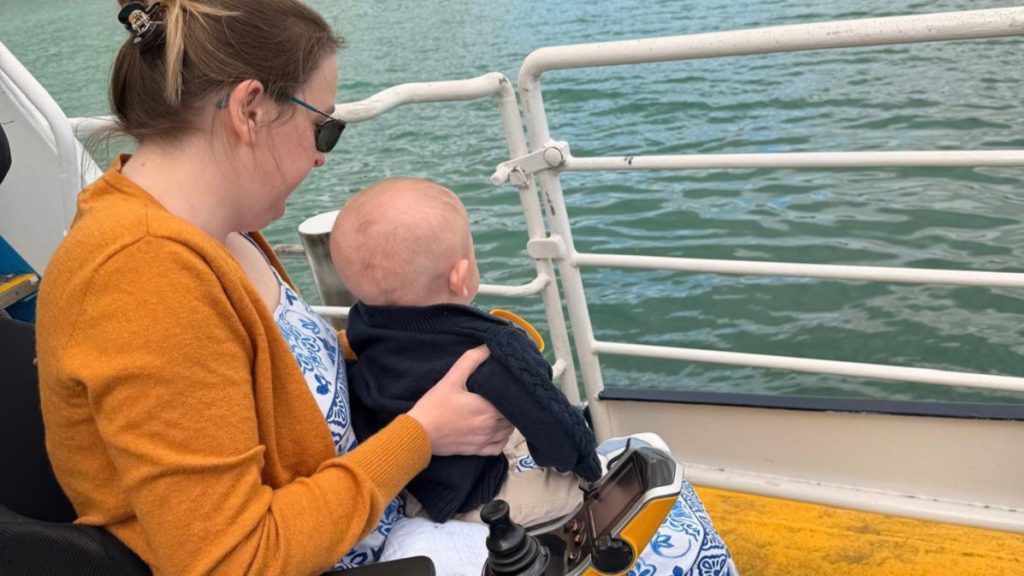
“It is really encouraging to hear the prime minister putting social care at the top of his agenda and that it’s personal to him. Social Care is such a personal thing. All of our lives are different, which is why choice and control over our care and support must be at the heart of any reforms. For me now my support allows me to look after my baby and to be an active parent. As the national conversation progresses working age adults, who make up a third of all drawing on publicly funded social care and whose support accounts for around half of all public expenditure, need be much more recognised and included than in today’s speech and play an active role in designing any systems and changes to make social care fit for the future.’
Anna’s fellow convener Andy McCabe reflected “Today’s launch, for me, is a genuinely hopeful moment. After thirty years of politicians calling social care ‘broken’ and leaving reimagining it for some day later, we seem to finally now have a Prime Minister prepared to make this personal and put his political capital on it. I can’t remember ever seeing this sort of political will, and that means change should be coming. But if this change is to bring real difference to people’s lives, it has to ask what a good life looks like, and then build it with us, not for us. We, as people who draw on social care, need to be co-authors of what comes next. We need to tell a different story: that social care can be what helps all of us live gloriously ordinary lives, full of relationship, purpose and choice.”
You can find out more about the Casey Commission ‘Big Conversation’ here: