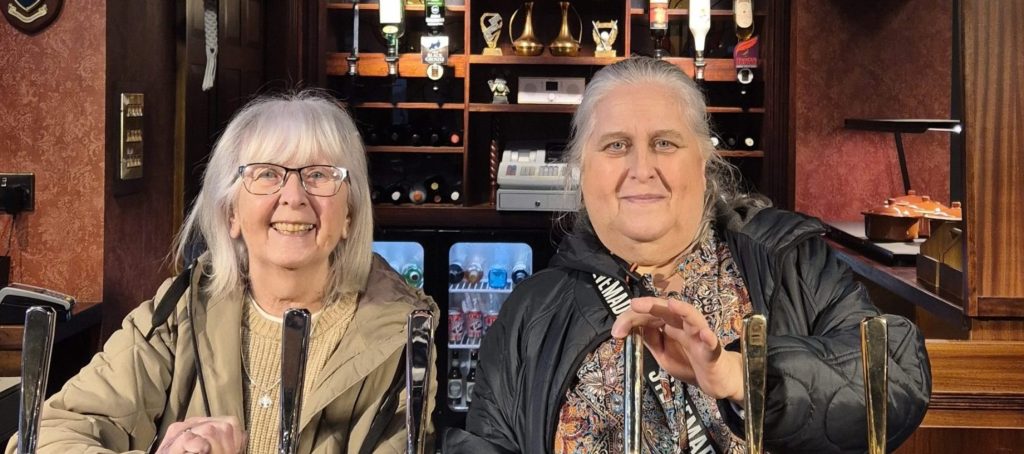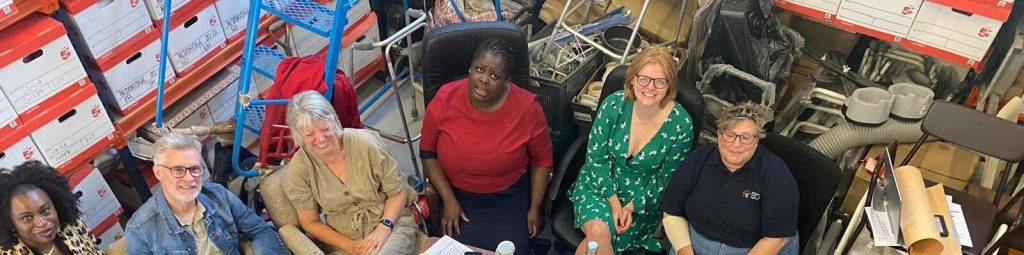
I’ve been involved in coordinating a group of 12 people with different experiences of drawing on care and support, exploring how and why national standards might look different if people who draw on support were leading their design.
Our discussions demonstrated how different the priorities can be when standards are shaped by people who draw on support, rather than developed primarily from the perspective of organisations and the wider system.
Our report, convened by Social Care Future and supported by the IMPACT centre at the University of Birmingham, explores what this could look like in practice.
Standards built around people’s experiences and outcomes, not simply policies and processes.
Standards that are aspirational, no just minimum to be met.
Standards that are a springboard towards greater choice, control and better lives.
There was also a shared recognition that if we’re not part of shaping these conversations, they will happen about us, and decisions will be made for us.
People who draw on care and support should lead how any new national standards are written, assessed and enforced. Not simply consulted along the way.
With the Government’s plans for a National Care Service and national standards taking shape, we’re publishing our report to show how this is done.
Start with a shared vision of what social care is for, put people who draw on support in the lead, and measures what matters to us.
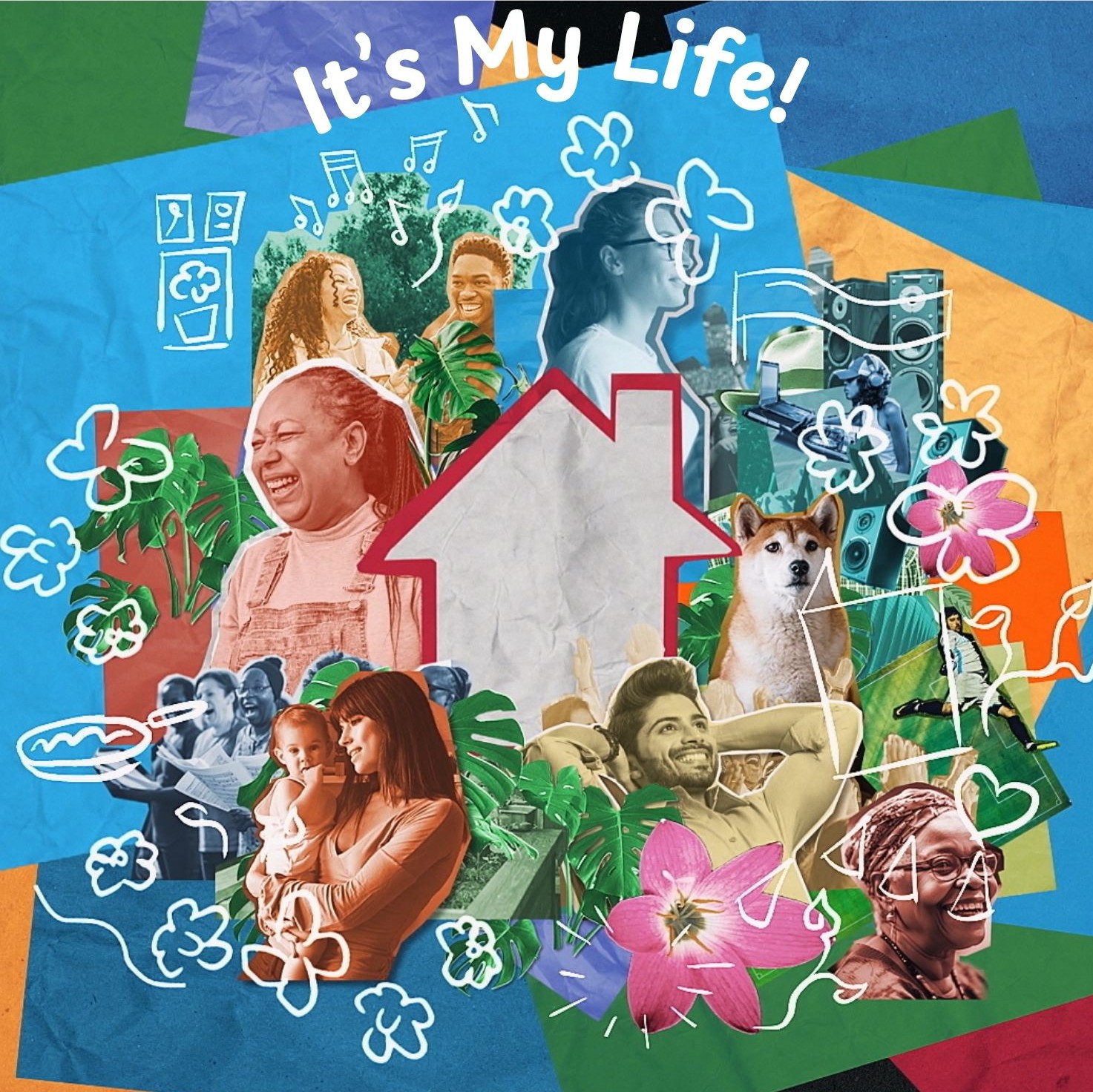
After all, “it’s my life”.