In the words of the Camerados movement ‘Camerados believe that the answer to our problems is each other. A camerado can be anyone.
It’s about chatting to someone new or helping out a stranger (or better yet, asking them to help you) It’s sitting with your neighbour and having a cuppa. It’s asking that stranger at the bus-stop if they’ve got the time. Everyone has tough times and we think it’d be great if people just looked out for one another more. Not fixing each other. Not trying to solve anyone’s problems.
“Just being a bit more human”
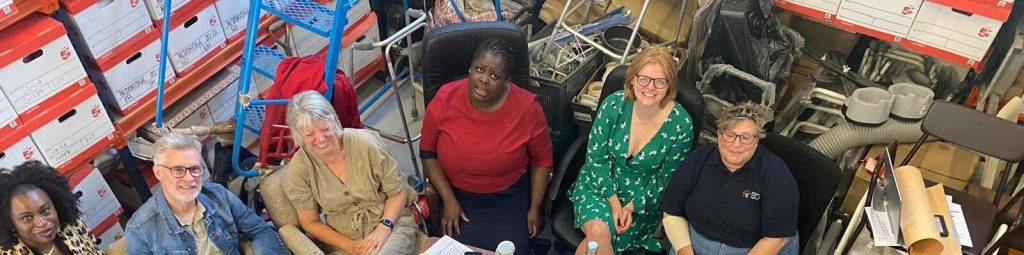
To these ends, Camerados have given birth to the idea of the ‘public living room’ which is an intentional space for strangers to meet and connect.
As Camerados go on to explain:
What’s a public living room? Imagine the feeling you get when you sit down somewhere you love and feel the world lift a little. Then imagine you’re with people who listen, who treat everyone the same, who don’t judge or try to fix you. That’s a public living room. Each public living room is different, set up by a camerado for their community. You’ll find public living rooms all over the place – in shops, schools, hospitals, front rooms, online. More and more are appearing all the time. And we want there to be one in every neighbourhood.